
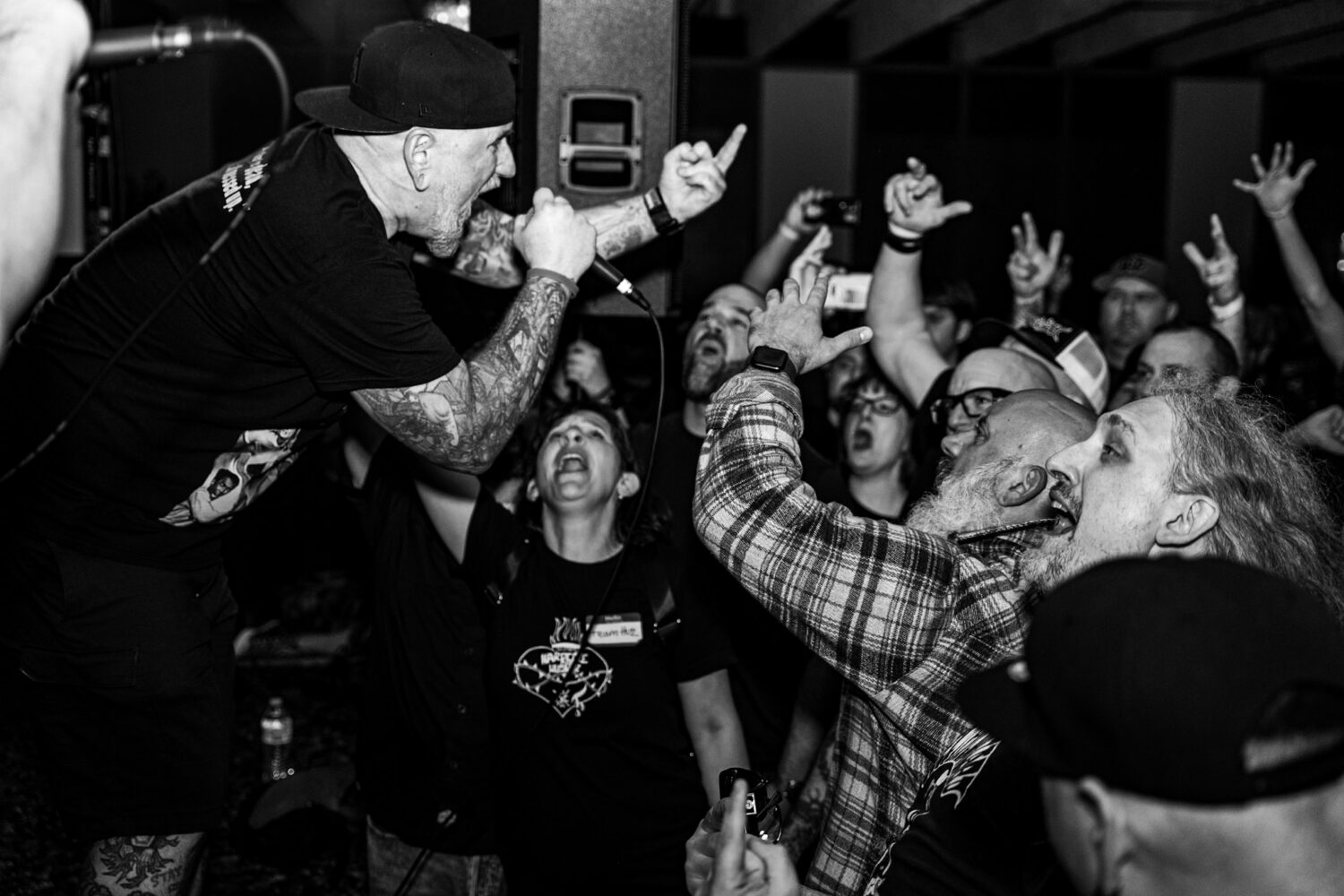
Some bands come back because nostalgia demands it. Others return because there’s still something left to say. For Burial Ground, Ashes from the Human Flame feels less like a reunion and more like the continuation of a story that was never truly finished.
More than three decades after helping shape Northeast Pennsylvania’s hardcore and metal scene, Burial Ground has returned with an EP that doesn’t attempt to recreate the past, it builds upon it. The four-song release carries the aggression, urgency, and unmistakable identity that longtime fans remember, but it’s equally shaped by time, experience, and the lives each member has lived since the band’s earliest days.
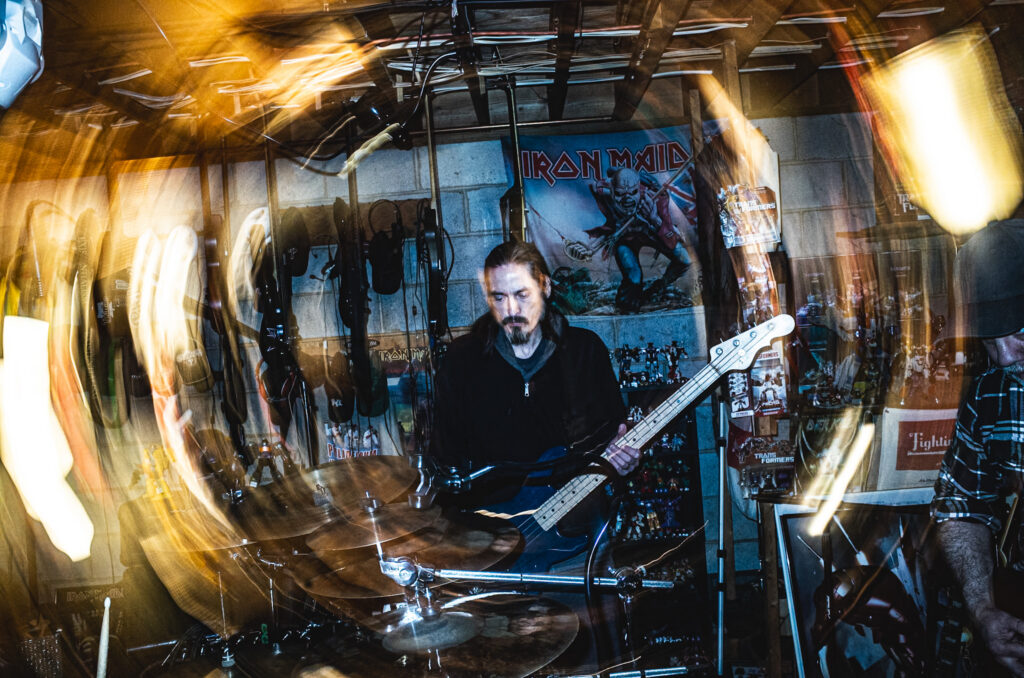
One thing became immediately clear while speaking with the band: was that no one described this chapter as a comeback. Instead, every conversation, despite taking place separately, echoed the same sentiment. This wasn’t about reliving the past. It was about continuing something that had been left unfinished.
For guitarist Dave Gruber, that meant finally writing the music he never had the chance to make decades ago:
“This was personally about making the music that I didn’t get to make back then. That’s why I specifically approached the new songs as picking up where I left off with Burial Ground.”
For Dave, this wasn’t about revisiting old songs. It was about finally exploring the musical direction Burial Ground might have taken had circumstances been different. That same feeling surfaced again and again. Bassist Erik Anderson described the experience as instantly familiar, saying the band “picked up right about where we left off.” Drummer Tommy Lin called it “a good way to pick up where the band originally left off” — while vocalist Steve Option viewed Ashes from the Human Flame as something that represents both the band’s past and its future. Sole remaining founding member Brian Quinn perhaps captured that feeling best when he described returning to these songs as “picking up a conversation that never really ended.”
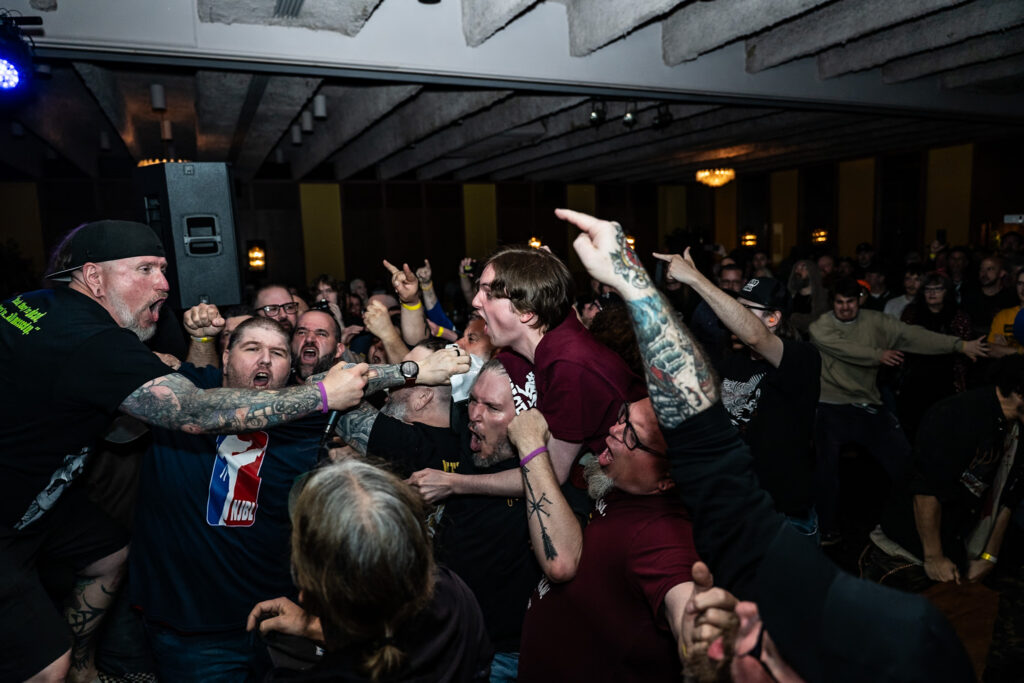
It’s rare for every member of a band to unknowingly tell the same story in different words, but that’s exactly what happened here. Ashes from the Human Flame isn’t interested in reliving a moment in hardcore history. Instead, it feels like the next chapter of a journey that simply paused, waiting for the right time to continue.
Long before Ashes from the Human Flame began taking shape, Burial Ground had already earned its place in Northeast Pennsylvania’s hardcore history. Emerging from the Wilkes-Barre/Scranton scene in the early 1990s, the band refused to stay confined within the boundaries of a single genre. Drawing from hardcore, death metal, and grindcore, Burial Ground developed a sound that was dubbed “bloodcore” by fans, leaving a lasting mark on generations of heavy music.
For those who were there, Burial Ground wasn’t just another local band. They were part of a scene built on packed VFW halls, community centers, word of mouth, and a fiercely independent DIY spirit that still defines Northeast Pennsylvania’s hardcore community today.
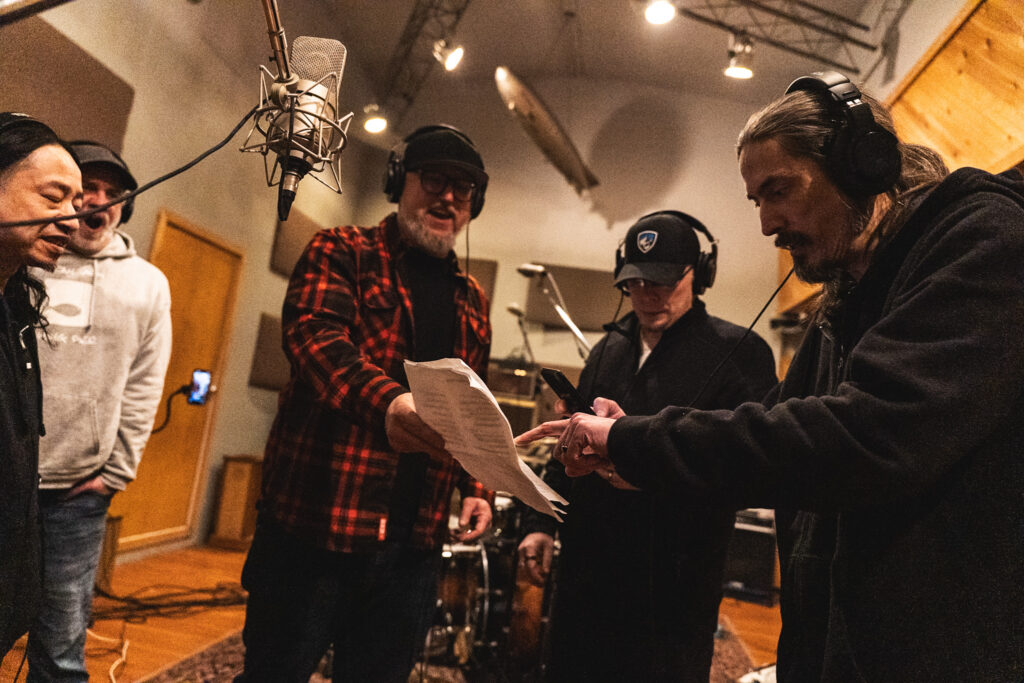
While Burial Ground’s legacy began decades ago, Brian Quinn continued building a successful career as a musician. After spending years touring internationally with Candlebox and recording multiple albums, returning to Burial Ground wasn’t about looking backward, it was about reconnecting with the band that first helped shape him as a musician. That perspective can be felt throughout Ashes from the Human Flame. Experience has refined the songwriting, but it never overshadows the identity that made Burial Ground stand out in the first place.
That history is impossible to tell without remembering vocalist Jamie White. While Ashes from the Human Flame looks ahead, it never loses sight of the foundation Jamie helped build. His presence is felt throughout the project, not only in the band’s memories, but the music itself.
For Steve Option, honoring Jamie wasn’t something that happened after the songs were written. It became part of the writing process from the very beginning:
“Ashes, to me, represents both the past and the future. I wasn’t in Burial Ground, but I was there alongside Jamie from day one. When writing it, I tried to think about the best way to make something new, but still honoring what BG’s past meant.”
That approach never feels like an attempt to replace what came before. Instead, it’s rooted in respect, for Jamie, for the band’s legacy, and for the fans who carried Burial Ground’s name forward over the years. Rather than trying to recreate another era, the band acknowledges where it came from while allowing decades of experience to shape where it’s headed next.
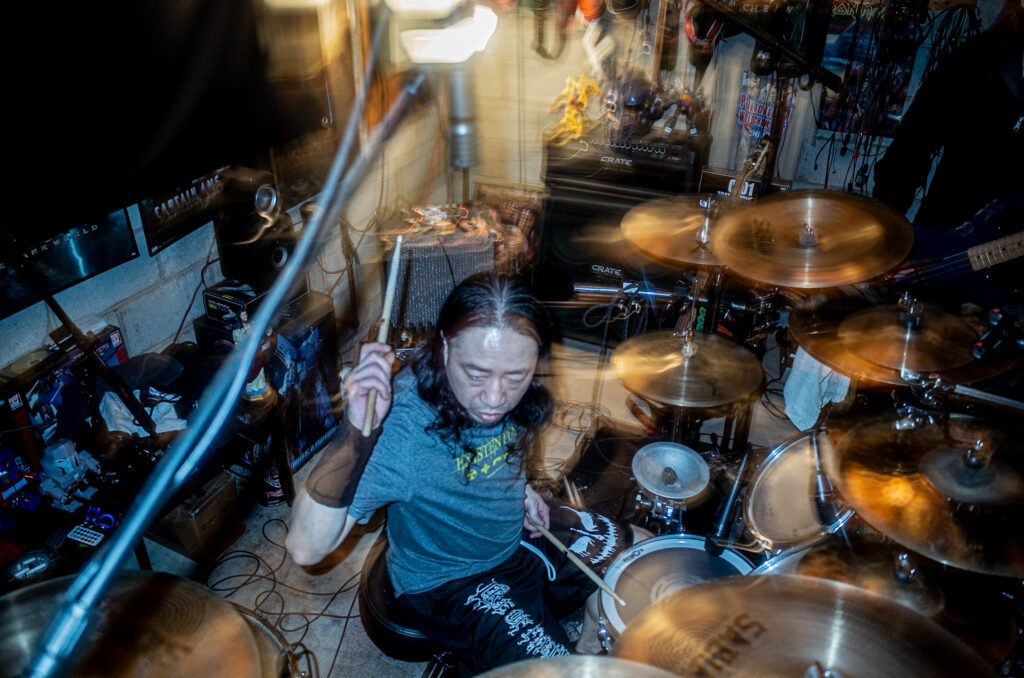
If the conversations with the band revealed the intention behind Ashes from the Human Flame, the music itself confirms it. After spending time with Ashes from the Human Flame, what stood out most wasn’t how much Burial Ground sounded like the past, it was how natural everything felt. Nothing about these songs comes across like musicians trying to relive another era. They sound like musicians who never lost sight of who they were.
The aggression that helped define Burial Ground’s early years remains firmly intact, but it’s now paired with the confidence and restraint that only comes with experience. Steve himself summed it up best, saying, “I think the writing has matured, but the aggression is still very present.” That balance becomes one of the EP’s greatest strengths. The songs never feel forced or calculated. Every performance sounds like it belongs exactly where it is, allowing the record to unfold naturally from beginning to end.
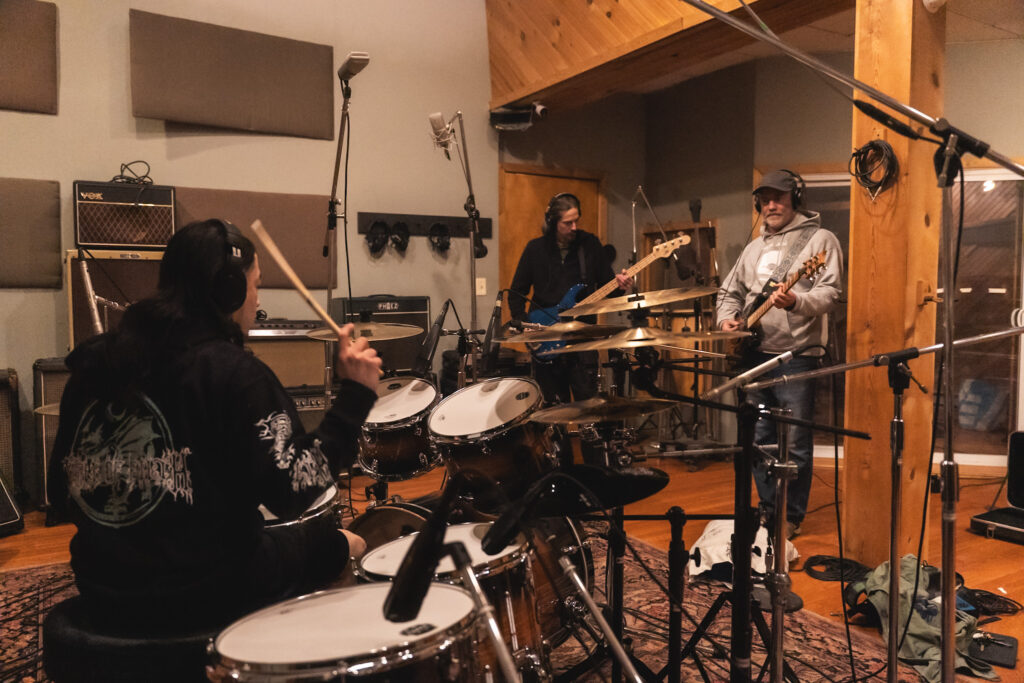
Dave described revisiting the mindset he was in during the Tales of a Soul Gone Mad era, returning to the music that inspired him while allowing three decades of growth to shape the final result. His goal wasn’t simply to recreate the past, but to explore the musical direction Burial Ground might have taken had circumstances been different.
That philosophy comes through clearly. The music carries the DNA of Burial Ground’s earliest material, but it’s shaped through experience rather than nostalgia. As Dave explained, he hopes listeners hear “the old band, as much as possible, going in the musical direction that would’ve taken place had things been different.” It’s a subtle distinction, but an important one, and one that defines the entire EP.. Ashes from the Human Flame doesn’t try to rewrite Burial Ground’s history, it continues it.
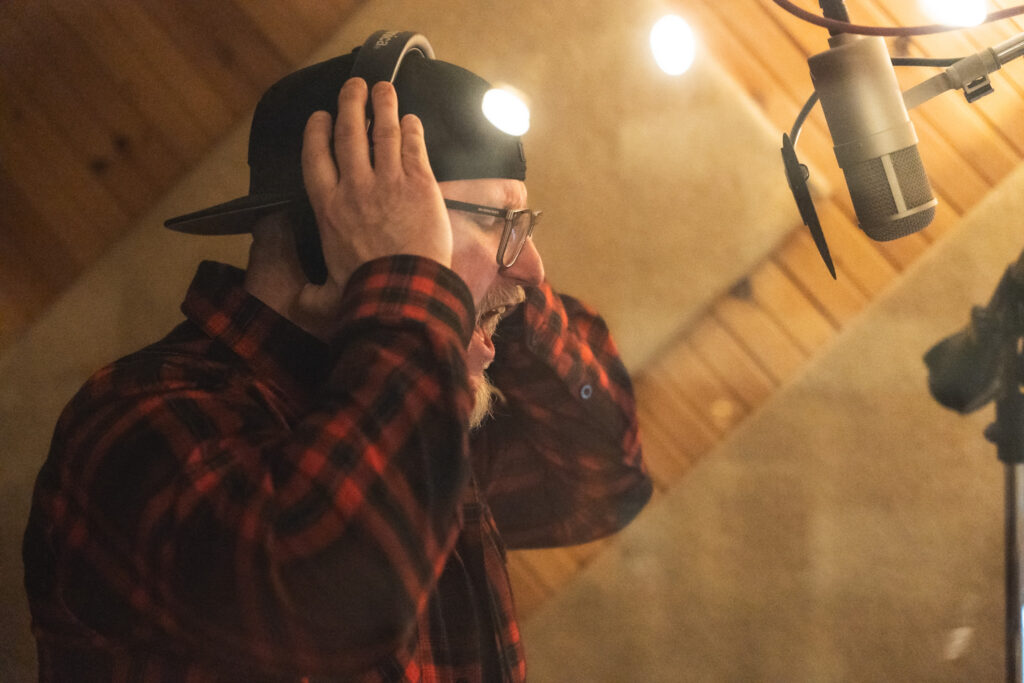
Steve Option arguably faced the most difficult role on the record. Stepping behind the microphone of a band so closely associated with Jamie White was always going to invite comparisons. Rather than attempting to imitate Jamie’s voice or presence, Steve brings his own identity to the material while never losing sight of the responsibility that comes with it:
“I had big shoes to fill, Honestly, the fact that people see it as Burial Ground, and not a bastardized version of the original band… that means everything.”
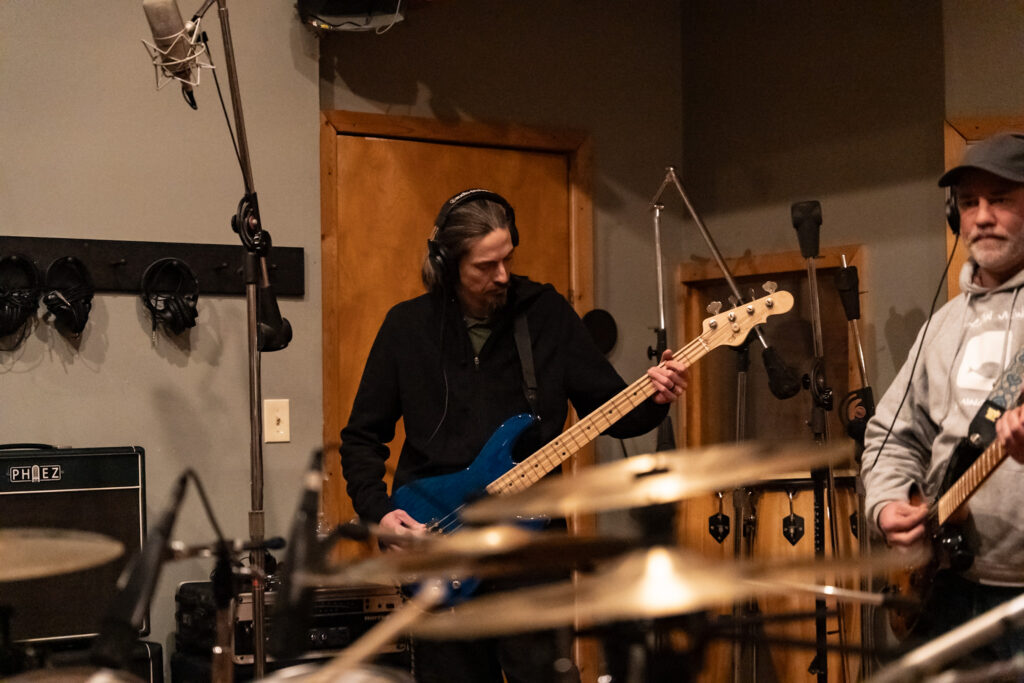
That authenticity becomes one of the EP’s greatest strengths. Respect doesn’t come from imitation. It comes from understanding what made a band special in the first place and carrying those ideals forward. The same can be said for the rhythm section. Tommy Lin and Erik Anderson provide the kind of chemistry that can’t be manufactured. It’s the sound of musicians who know each other’s instincts, allowing the songs to breathe without sacrificing the urgency that’s always been part of Burial Ground’s identity.
That chemistry wasn’t accidental. Erik described the band immediately “clicking” when they reunited, while Tommy recalled how naturally the recording sessions came together, even noting that the title track had existed for only a couple of weeks before entering the studio. That spontaneity remains one of the record’s greatest strengths.
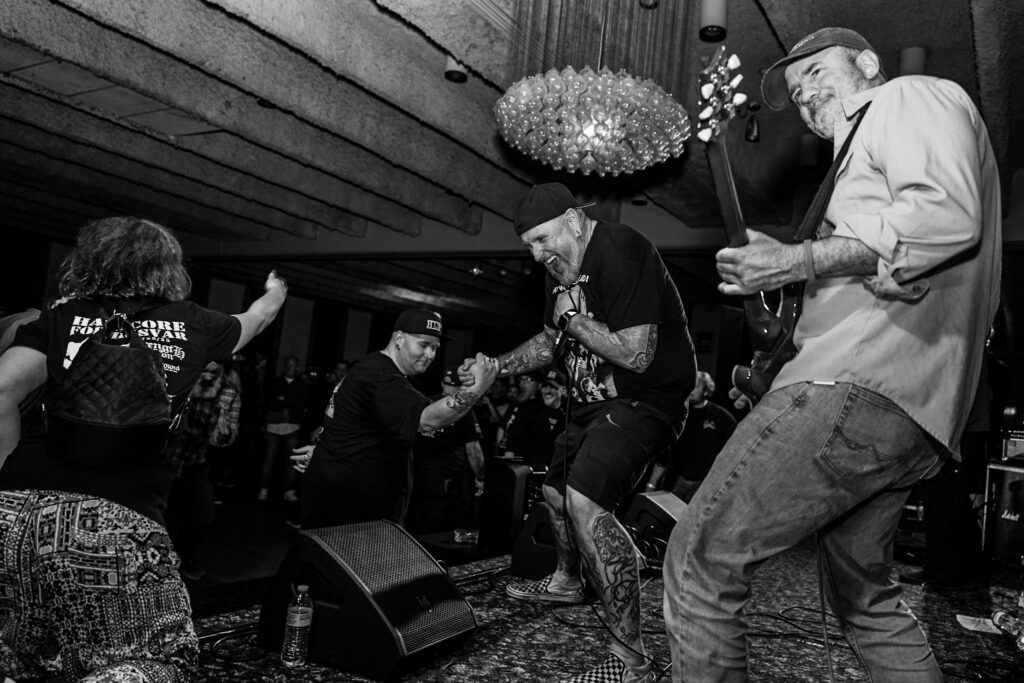
The response from listeners has only reinforced that feeling. While longtime fans have embraced the EP as a natural continuation of Burial Ground’s legacy, Tommy joked that a few friends outside the hardcore world reacted to it “like it was a sonic weapon.” It’s a humorous moment, but it also says something about the record itself. Ashes from the Human Flame never softens its edge. It stays true to Burial Ground’s roots while still sounding fresh decades later.
Perhaps the most impressive accomplishment of Ashes from the Human Flame is that it never asks listeners to choose between the band’s past and its future. Burial Ground hasn’t abandoned the sound that helped define them, but neither have they become trapped by it. Instead, they’ve embraced everything the years between then and now have added, creating a record that feels honest, confident, and unmistakably their own.
For all of the growth and forward momentum Ashes from the Human Flame represents, the EP never forgets where its story began — that becomes most evident in “Forever Friends.” More than simply revisiting an older song, it serves as a bridge between generations of Burial Ground. Jamie White’s vocals were recovered from the only known live recording of the song, allowing his voice to become part of a new release for the first time since his passing. It’s an impressive achievement from a technical standpoint, but more importantly, it’s an emotional one.
Knowing that story changes the way the song is heard. What could have been presented as a tribute instead becomes something far more personal. Jamie isn’t remembered from a distance, he remains part of the music itself. That sense of connection runs throughout Ashes from the Human Flame. Whether through the songwriting, the performances, or the stories shared by its members, the record honors the people and experiences that shaped Burial Ground without becoming consumed by them. The past is acknowledged, respected, and carried forward, but it never overshadows what the band is creating today.

Perhaps that’s what makes this release resonate beyond its four tracks. It isn’t about reclaiming a legacy or proving Burial Ground can still write heavy music. It’s about friendship, loss, perseverance, and finally giving unfinished ideas the chance to be heard.
As our conversations came to a close, something else became impossible to ignore. No one talked about fame. No one talked about reclaiming glory. Instead, every member spoke about friendships, unfinished songs, Jamie’s memory, and the excitement of creating together again. The most telling part of every conversation wasn’t what the members said about themselves, it was how often they talked about one another. For Brian Quinn, that perspective brings everything full circle:
“This EP is for him, for our friends we’ve lost, and for everyone who kept this music alive all these years.”
In a music world that rarely slows down, Ashes from the Human Flame is a reminder that some stories aren’t measured by release dates or timelines. They’re measured by the people who carry them forward. Burial Ground’s return isn’t about reliving what once was. It’s about proving that the strongest foundations don’t disappear with time, they simply wait for the right moment to grow again.
Some bands reunite.
Others simply continue the story.
Burial Ground has done exactly that.