
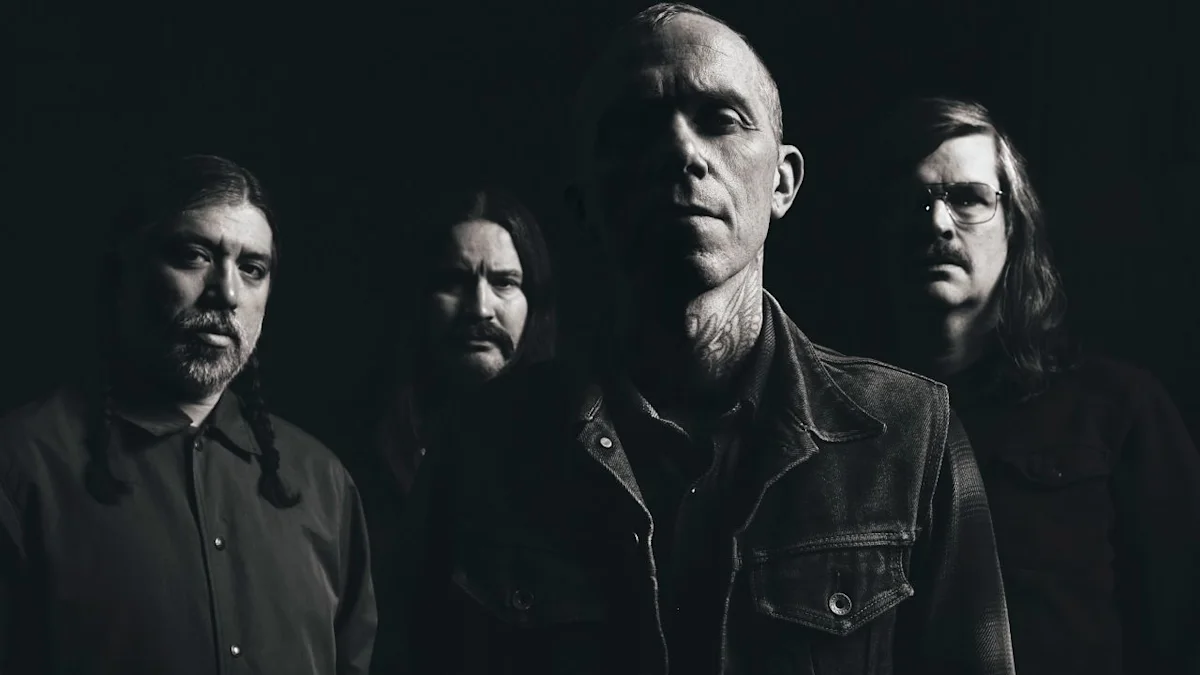
There comes a point in every long-running band’s career where the question stops being “Can they still make heavy music?” and becomes “Can they still surprise us?”
After more than three decades together, Converge have already cemented their place in hardcore music. That’s exactly why Hum of Hurt feels so refreshing. It isn’t trying to recreate the band’s past or chase the records that made them influential. Instead, it continues moving forward, exploring familiar emotions from a different angle.
If Love Is Not Enough felt immediate, Hum of Hurt is more patient. It lets moments breathe. It spends more time building tension before finally releasing it, and because of that, the album often feels heavier than music that relies solely on speed or volume.
That’s what stayed with me most after multiple listens.
The weight of this record doesn’t come from constantly pushing forward. It comes from knowing when not to. Converge allow songs to settle into uncomfortable spaces before everything finally gives way. Rather than feeling repetitive, those moments create a constant sense that something is just around the corner, making each payoff feel earned instead of expected.
Jacob Bannon remains one of heavy music’s most recognizable voices, not because of how extreme it can become, but because it always feels believable. Whether the music is at its loudest or pulling back into quieter passages, his delivery never feels disconnected from what’s happening around him. Nothing sounds exaggerated. Nothing feels manufactured.
The same could be said for the rest of the band. Every instrument feels like it’s serving the song rather than competing for attention. The guitars create as much atmosphere as they do aggression, while the rhythm section quietly controls the pace underneath it all. Even during the album’s busiest moments, there is a sense of purpose that keeps everything from becoming overwhelming.
One of the things I appreciate most about Hum of Hurt is that it never feels interested in repeating old ideas simply because they worked before. You can hear the years of experience behind these songs, but you can also hear a band that’s still willing to experiment with mood, dynamics, and restraint. Those choices give the album its own identity instead of making it feel like another chapter of the same story.
By the time the record ends, it doesn’t leave the impression of a band looking back at its legacy. It feels like one that’s still finding new ways to challenge itself. For a band this deep into its career, that may be the most impressive thing of all.